
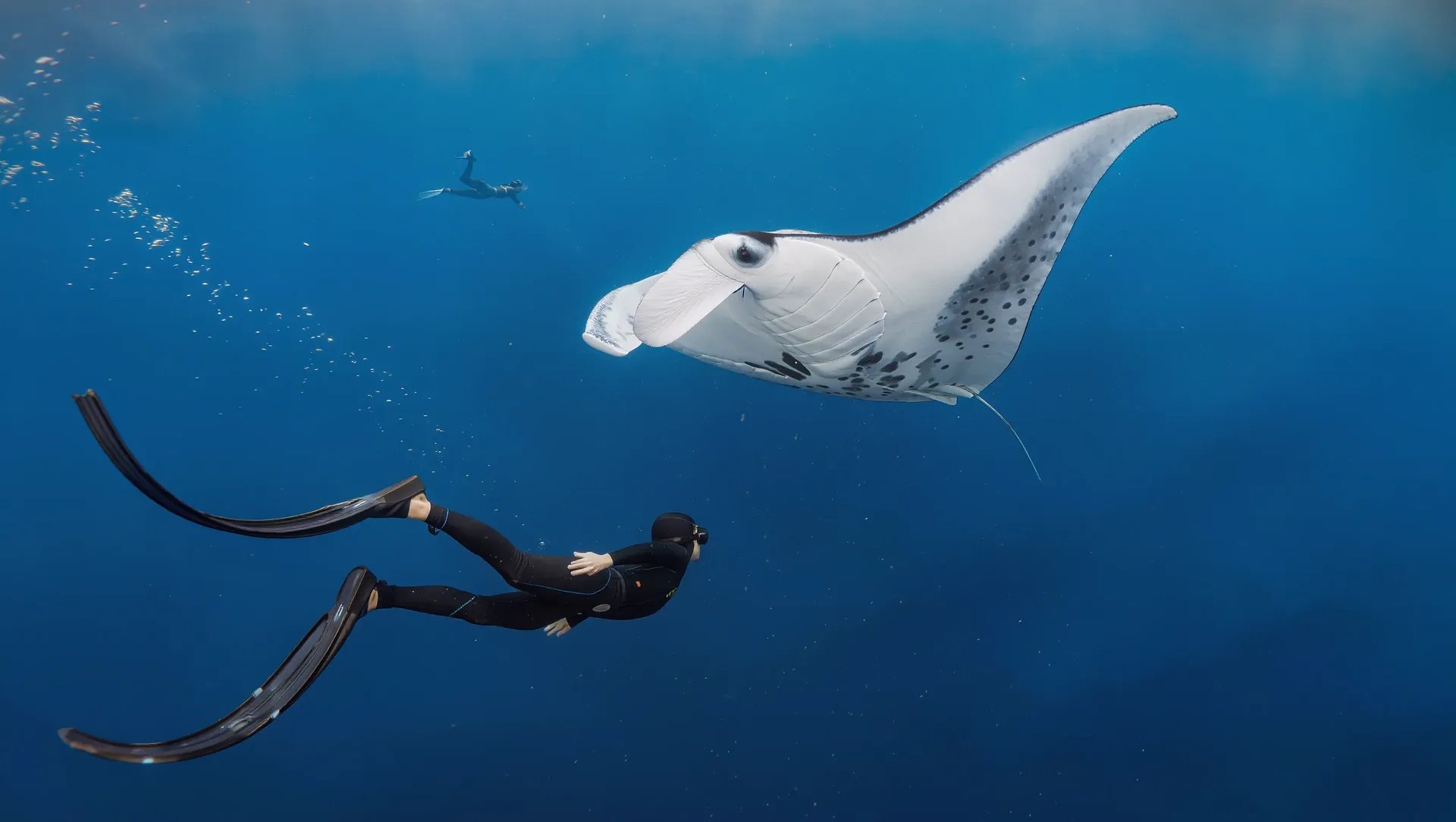
Dive sites
Komodo Dive Sites
The reason Komodo diving is spoken of in the same breath as Raja Ampat is simple: current. Tidal flow funnels between the islands, carrying nutrients that feed the reefs and draw everything from reef mantas to schooling trevally. The same geography that makes the water rich makes timing matter — which is why the park rewards a Bali–Komodo liveaboard over any dash from shore. Your boat is already anchored at the site when the tide is right.
Komodo National Park holds some of the finest diving in Indonesia — manta cleaning stations, current-swept pinnacles and soft-coral slopes, all inside one compact cruising ground. The six signature sites below are best reached by luxury liveaboard from Labuan Bajo, ninety minutes by air from Bali, with divers and snorkelers sharing the same boat.
The Six Signature Dive & Snorkel Sites
Each site below has its own detailed guide — what it looks like underwater, how it is dived, and which cruises include it.
Frequently Asked Questions
Do I need to be an experienced diver for Komodo?
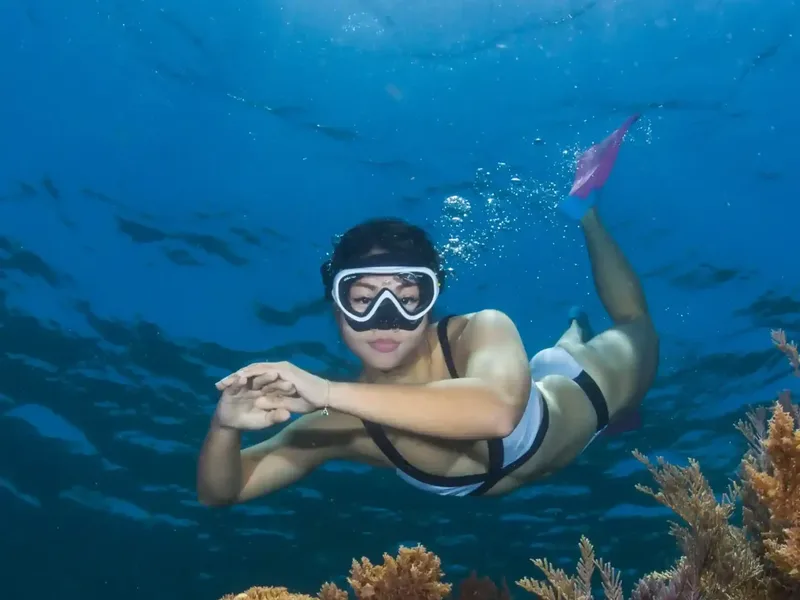
Can snorkelers enjoy these sites too?
When is the best season for diving Komodo?
Will I definitely see manta rays?
How do I get to these dive sites from Bali?
How Diving Works on a Luxury Liveaboard
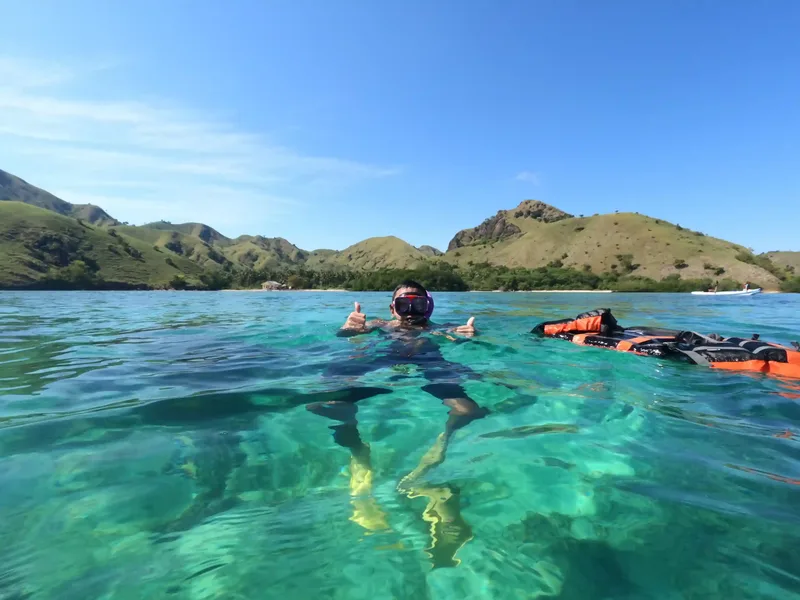
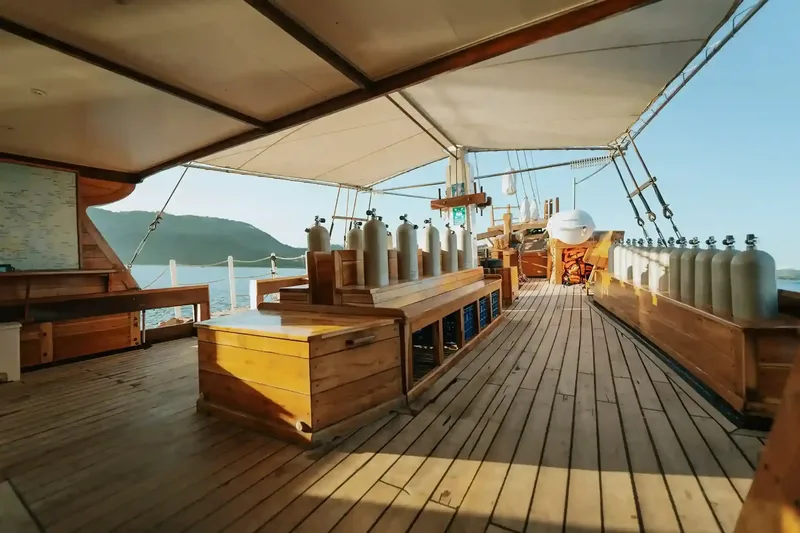
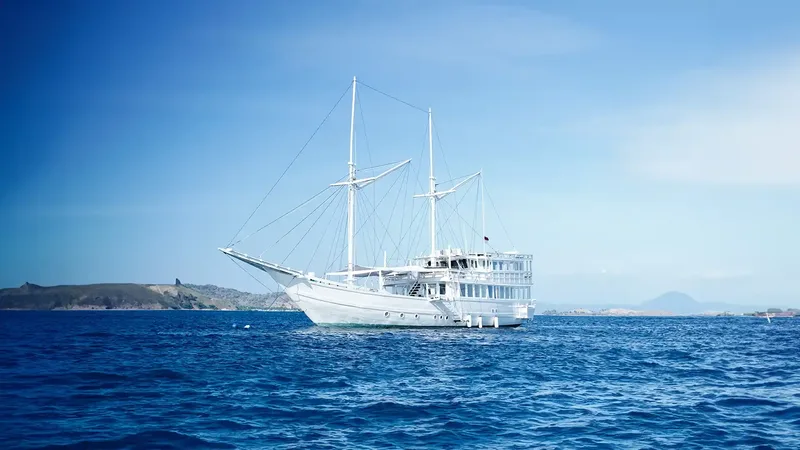
Cruising with our own and partner fleet, operated to one standard with Komodo Luxury (Juara group), diving slots into the day rather than dominating it. Guides brief each site on deck, tenders drop divers up-current, and the boat repositions while you surface to lunch already served. Non-divers snorkel the same reefs, hike the ridges or simply keep the sundeck company.
Dedicated divers usually choose the 8-day Komodo diving cruise, which works north and south in one sweep; mixed groups do well on the mid-length Komodo itineraries, where two or three sites punctuate the island days. Not certified? Our guide to diving versus snorkelling in Komodo shows how much of the park you can experience with a mask alone.
North, Central and South: Reading the Park's Diving Map
The sites cluster into three moods. The north — Castle Rock and Crystal Rock — is blue-water pinnacle diving with schooling fish, at its best in the April–September dry season. The centre — Batu Bolong, Manta Point, Siaba Besar — mixes drama with easy drifts and sits close to icons like Padar Island. The south, led by Cannibal Rock, trades warm clarity for cooler, plankton-rich water and explosive soft-coral colour. Longer cruises are the only way to sample all three; the packages and pricing overview shows how routes and boats pair up.
-
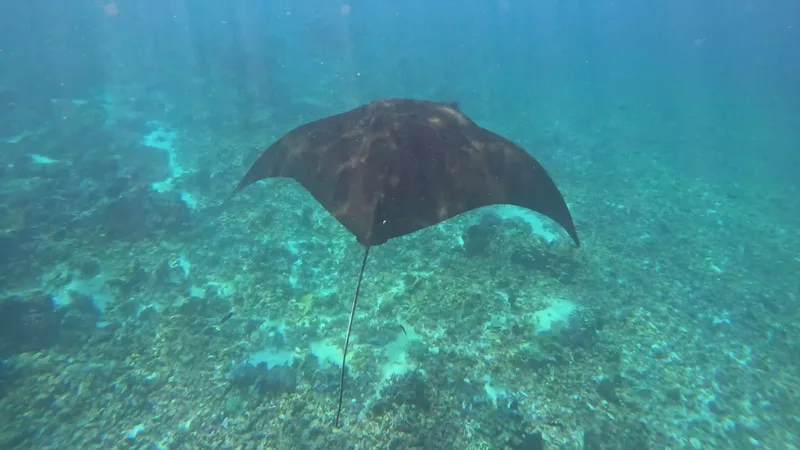
Manta Point
A gentle drift over a coral-rubble plateau where reef mantas queue at cleaning stations — superb for divers and snorkelers alike.
-
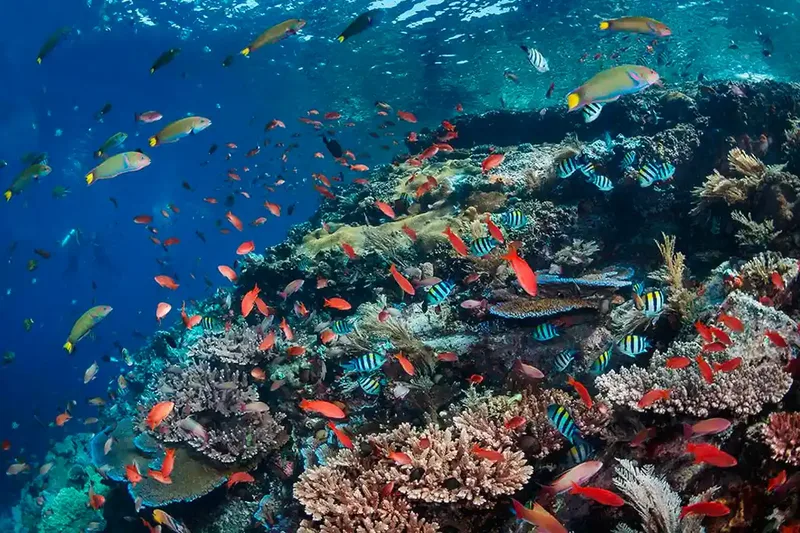
Batu Bolong
The park's most celebrated site: a current-swept pinnacle whose sheltered face is wallpapered in coral and reef fish.
-
Castle Rock
A northern seamount where schooling fish stack up in the blue — Komodo's big-action dive when the current runs.
-
Crystal Rock
Castle Rock's neighbour: clear water, a coral-crowned pinnacle and dense fish life in the park's far north.
-
Cannibal Rock
The southern jewel in Horseshoe Bay — cooler, nutrient-rich water and some of Indonesia's lushest soft coral.
-
Siaba Besar
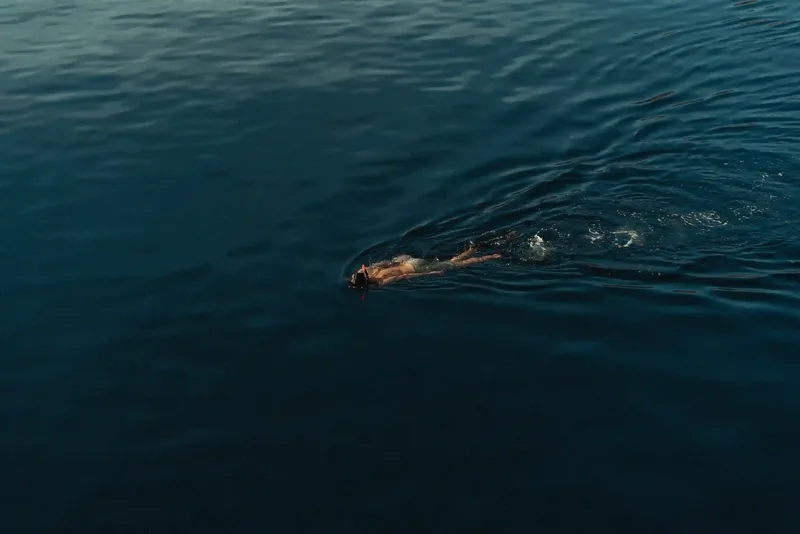
Calm, shallow and turtle-rich — the ideal site for beginners, refresher dives and dedicated snorkel sessions.
Plan Your Komodo Cruise
Share your dates, group size and interests — our specialists reply with matched boats, a day-by-day plan and a transparent quote.
WhatsApp: +62 811-3941-4563