
Questions
Komodo Cruise FAQ: 100 Answers from Our Specialists
These are the one hundred questions our reservation specialists answer most often, drawn from real guest conversations. They cover the whole journey — planning a Komodo liveaboard from Bali, choosing a boat, diving and snorkelling, seasons, packages and pricing, and life on board. Our own and partner fleet is operated to one standard with Komodo Luxury (Juara group), so the answers reflect how we actually run our cruises.
Everything you need to know about a Bali to Komodo luxury cruise, answered by the specialists: fly about 90 minutes from Bali to Labuan Bajo, board a private phinisi or yacht, and spend 3 to 10 days among dragons, mantas and pink beaches. One hundred answers, organised by theme below.
Browse by Theme
- Planning & Duration
- Flights & Logistics: Bali to Labuan Bajo
- The Boats & Cabins
- Diving in Komodo
- Snorkelling in Komodo
- Itinerary & Route
- Best Time to Go & Weather
- Pricing & Booking
- Family, Honeymoon & Private Charters
- Safety & Practical Matters
Planning & Duration
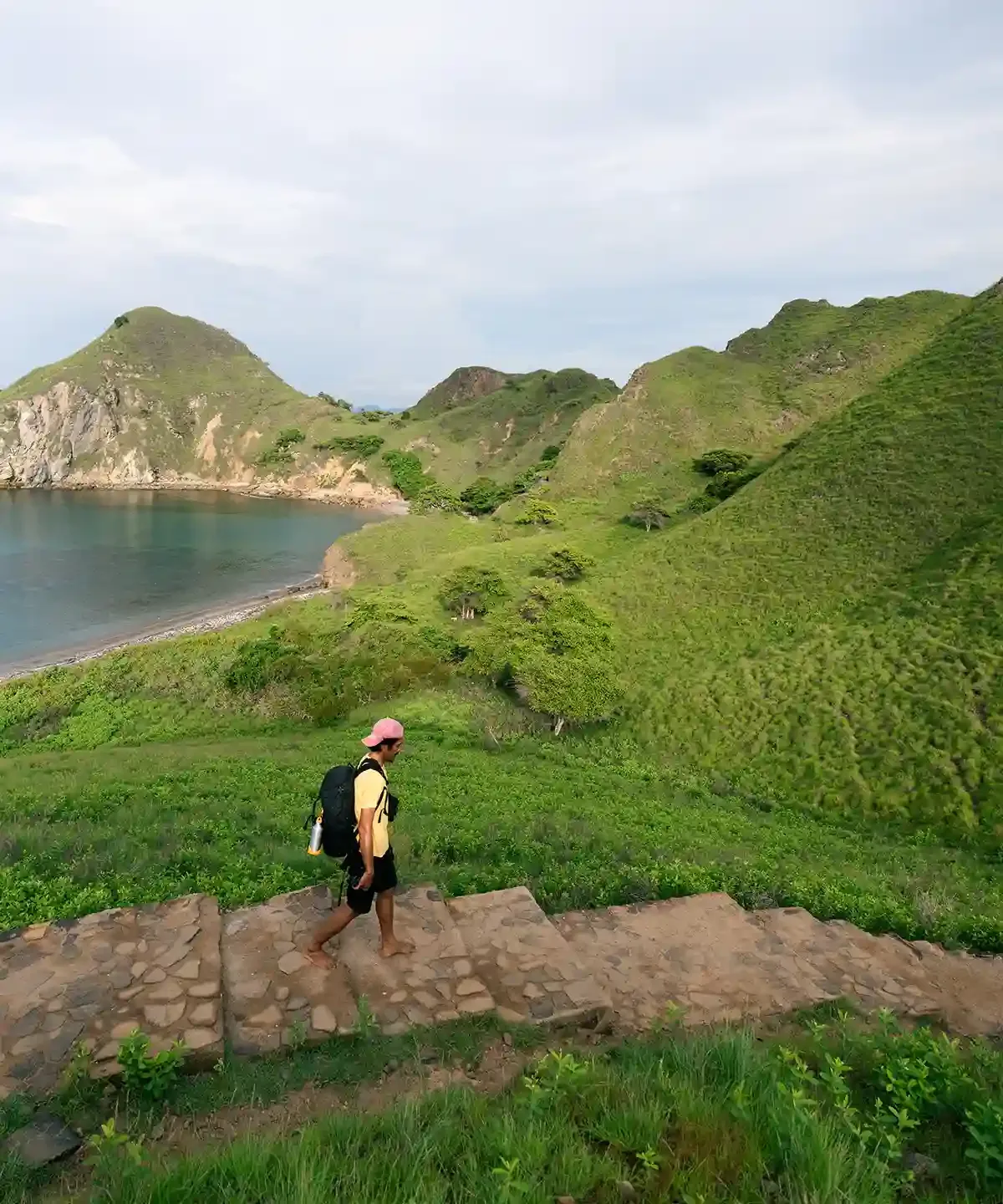
How long to sail, when to book and what to pack. For a deeper dive, read our guide to how many days a Komodo liveaboard really needs or compare complete Bali Komodo liveaboard options.
1. How many days do I need for a Bali to Komodo cruise?
Most travellers choose 3 to 4 days to see Padar, Komodo dragons, Pink Beach and Manta Point. For diving, southern Komodo or a relaxed pace, 5 to 7 days works best, and full expeditions run up to 10 days. Our team matches duration to your interests and the season.
2. Is a liveaboard better than a day trip from Labuan Bajo?
Yes, for reaching the best sites. Liveaboards sail overnight to remote spots like Castle Rock, Manta Alley and southern Komodo that day trips cannot reach before crowds arrive. You dive, snorkel and watch sunsets from anchor, waking beside empty islands. Day trips suit only a quick, single-day visit.
3. What is the shortest Komodo liveaboard worth booking?
A 3-day, 2-night liveaboard is the shortest cruise that still covers the park's highlights: Padar Island, Komodo or Rinca dragons, Pink Beach, Manta Point and the Kalong sunset. It suits tight schedules. If you dive or want southern sites, add nights, as sailing distances there are longer.
4. Can I combine Bali and Komodo in one holiday?
Absolutely. Most guests spend a few days in Bali, then fly about 90 minutes to Labuan Bajo to board their liveaboard. This fly-cruise format is the fastest, most comfortable way to reach Komodo. Our team coordinates flight timing with boarding so transfers connect smoothly on arrival day.
5. How far in advance should I book a Komodo cruise?
Book 3 to 6 months ahead for peak season (July, August, holidays) and for private phinisi charters, which sell out early. Cabins on premium boats fill fast in dry season. Last-minute space sometimes exists in shoulder months, so contact our team to check current availability for your dates.
6. Is Komodo worth visiting for non-divers?
Yes. Komodo is world-class above water too: the Padar Island ridge viewpoint, pink-sand beaches, Komodo dragons with rangers, snorkelling with manta rays, and thousands of flying foxes at sunset. Many guests never dive and still rate it a highlight. Snorkellers and land explorers are fully catered for.
7. What should I pack for a Komodo liveaboard?
Pack light: swimwear, reef-safe sunscreen, a hat, sunglasses, a light rain layer, sandals and trainers for island hikes. Bring personal medication and a dry bag for electronics. Towels and most amenities are aboard. For diving you may bring your own mask and computer, though rental gear is available.
8. Do I need to be fit for a Komodo cruise?
Moderate fitness helps. Padar and dragon-island walks involve short uphill sections on uneven ground, and boarding tenders needs basic mobility. Most activities are optional and self-paced, so families and older travellers enjoy the trip. Tell our team about any mobility needs so we plan a comfortable itinerary.
9. How many people are on a typical liveaboard?
It depends on the boat. Shared luxury phinisi carry capacities that vary by vessel and are confirmed per boat, across en-suite cabins, while smaller private charters host a single family or group. A private hire gives you the whole vessel and crew. Our team advises the right size for your comfort and budget.
10. Can you plan a custom Komodo itinerary for me?
Yes. As one operator we tailor each cruise around your priorities, whether diving, photography, honeymoon privacy, family comfort or a specific duration. You choose the boat, route emphasis and departure date, and we build the sailing plan, dives and shore visits around it. Just share your dates and interests.
Flights & Logistics: Bali to Labuan Bajo
Getting from Bali to your boat is a short hop. Our page on departure and boarding logistics covers timing in detail, and our comparison of Benoa Harbour vs Labuan Bajo embarkation explains both starting points.
11. How do I get from Bali to Komodo?
Fly. Daily flights connect Bali's Ngurah Rai Airport (DPS) with Labuan Bajo's Komodo Airport (LBJ) in about 90 minutes. Labuan Bajo is the gateway town where liveaboards depart, a short transfer from the airport to the harbour. Direct sailing from Bali is possible but takes several days.
12. How long is the flight from Bali to Labuan Bajo?
The direct flight from Denpasar (DPS) to Labuan Bajo (LBJ) takes roughly 1 hour 15 minutes to 1 hour 30 minutes, with several airlines flying daily. We recommend a morning flight so you reach the harbour with time to board and settle before the first sailing.
13. Which airport do I fly into for Komodo?
You fly into Komodo Airport (code LBJ) in Labuan Bajo, on the western tip of Flores island. It is the closest airport to Komodo National Park and the main liveaboard departure point. From arrivals it is a short drive to the harbour where our boats board guests.
14. Do liveaboards depart from Bali or Labuan Bajo?
Most liveaboards depart from Labuan Bajo, minutes from Komodo National Park, which is why the fly-cruise route is popular. Some longer luxury charters sail directly from Bali's Benoa Harbour, adding an ocean crossing of a day or more each way. Our team advises which option suits your time.
15. Can I sail all the way from Bali to Komodo by boat?
Yes, on select long-range charters that cross from Benoa Harbour, Bali, to Komodo, passing islands like Sumbawa along the way. The open-sea crossing adds roughly two days each direction, so total trips run longer. Most guests prefer flying to Labuan Bajo and maximising time inside the park.
16. What time should my flight land in Labuan Bajo for boarding?
Aim to land by late morning or early afternoon. Boarding is usually early-to-mid afternoon, so a morning DPS departure gives a comfortable buffer for delays and transfer. Our team confirms your boat's exact boarding time and can hold arrangements if your flight shifts. Avoid tight same-hour connections.
17. Is the airport transfer to the harbour included?
On most of our cruises, yes, a private airport-to-harbour transfer is arranged for boarding day, and Labuan Bajo's airport sits only minutes from the harbour. Inclusion varies by package, so confirm when booking. Our team coordinates pickup timing with your flight so you are met on arrival.
18. Should I arrive in Labuan Bajo a day early?
It is a smart safeguard, especially in rainy months when flights can delay. Spending the night before in Labuan Bajo removes any risk of missing boarding and lets you start relaxed. We can suggest hotels and arrange the next-day transfer to your boat. Otherwise, fly in early morning.
19. When should I book my return flight after the cruise?
Book your flight out of Labuan Bajo for the afternoon or evening of disembarkation day, since cruises typically return to harbour in the morning. This leaves a safe margin for docking and transfer. For extra comfort, fly out the following day. Our team advises timing based on your itinerary.
20. Do I need domestic transfers or visas arranged?
Most international visitors enter Indonesia on a visa on arrival or e-visa, so check your nationality's current rules. Your Bali–Labuan Bajo flight is a domestic hop needing only your passport and ticket. We handle the harbour transfer and boarding. For visa specifics, consult official Indonesian immigration sources before travelling.
The Boats & Cabins
From hand-built phinisi to modern motor yachts, browse the Bali Komodo Luxury Cruise fleet or learn what makes phinisi sailing so special before you choose.
21. What is a phinisi?
A phinisi is a traditional Indonesian wooden sailing vessel, historically built by the Bugis and Konjo people of South Sulawesi. Modern luxury phinisi keep the graceful two-masted silhouette but add en-suite cabins, air-conditioning, sun decks and dive facilities. They are the signature boats of Komodo liveaboard cruising.
22. What types of boats do you offer for Komodo?
We operate and represent a range, from classic hand-built luxury phinisi to modern motor yachts and dive-focused liveaboards. Options span intimate boats for one family to larger vessels with multiple en-suite cabins. As one operator, we match the boat to your group size, comfort level and diving or leisure focus.
23. Do the cabins have air-conditioning and private bathrooms?
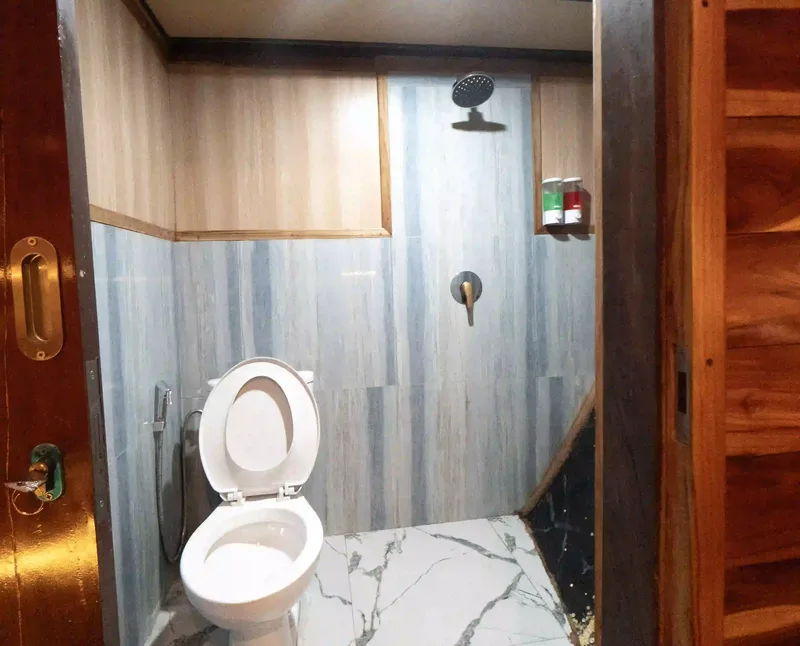
On our luxury phinisi and yachts, cabins are air-conditioned with private en-suite bathrooms, fresh linens and storage. Layouts range from master suites to twin and double deluxe cabins, and exact configurations vary by vessel. Tell our team your party size and we will recommend cabins that fit comfortably.
24. Do you own the boats you operate?
Our Komodo Luxury group owns and operates a fleet, and we also work with a vetted selection of partner vessels to widen your choice of dates, sizes and styles. Every boat we offer is inspected for safety, crew standard and comfort. Our team tells you which category each option falls under.
25. What facilities are on board a luxury liveaboard?
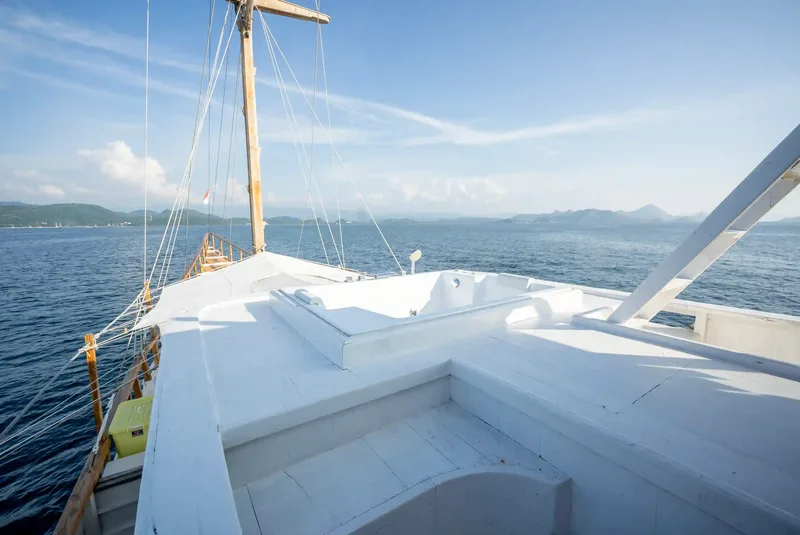
Expect en-suite air-conditioned cabins, a shaded dining area, sun-deck loungers, an indoor lounge, and a crew including captain, chef, guides and deckhands. Dive boats add a dedicated dive deck, tanks, compressor and tenders, and larger vessels may offer extras like paddleboards. Facilities vary, so confirm specifics per boat with our team.
26. Is there Wi-Fi and phone signal on board?
Signal is intermittent inside Komodo National Park and often disappears at remote anchorages, which many guests enjoy as a digital detox. Some boats offer limited Wi-Fi, and you may get patchy mobile data near Labuan Bajo. Do not rely on connectivity for work; download essentials before sailing.
27. What food is served on a Komodo cruise?
Onboard chefs prepare fresh, varied meals daily, typically a mix of Indonesian and international dishes, plus fruit, snacks and drinks between activities. Dietary needs such as vegetarian, halal or allergies are accommodated when flagged in advance. Full board is standard on liveaboards. Tell our team your preferences at booking.
28. How much luggage can I bring on the boat?
Cabins have limited storage, so soft bags are preferred over hard suitcases, and a carry-on-sized bag plus a small daypack usually suffices. If you are transiting Bali, hotels can store excess luggage. Airlines set the flight limits to Labuan Bajo, so pack light and check baggage rules in advance.
29. Can I charter an entire boat privately?
Yes. Private full-boat charter is our most popular luxury option, giving your family or group the whole vessel, crew and a flexible itinerary with no other guests. It suits honeymoons, celebrations and families wanting privacy. Pricing depends on the boat, season and duration, and is quoted by our team.
30. Are the boats suitable for children and non-swimmers?
Many are. Larger, stable phinisi with shaded decks and en-suite cabins suit families, and life jackets are provided for snorkelling and tenders. Non-swimmers can still enjoy island hikes, beaches and wildlife. We recommend private charters for young families. Share ages with our team so we suggest the safest boat.
Diving in Komodo
Komodo is one of the world’s great dive regions. Explore our Komodo dive site guides or see the dedicated 8 day Komodo diving liveaboard built around them.
31. Is Komodo a good diving destination?
Komodo is one of the world's premier dive regions, famous for manta rays, sharks, turtles, vibrant reefs and dramatic drift dives. Nutrient-rich currents feed huge biodiversity, from tiny macro critters to schooling fish and pelagics. A liveaboard is the ideal way to reach its scattered, current-swept sites.
32. What are the top dive sites in Komodo?
Signature sites include Batu Bolong, Castle Rock and Crystal Rock in the north for sharks and schooling fish, Manta Point and The Cauldron (Shotgun) for mantas and drifts, and Manta Alley in the south. Each has different conditions, so your guides choose sites daily to match tides and experience.
33. Do I need to be an experienced diver for Komodo?
Some sites suit beginners, but Komodo's famous spots like Castle Rock, Crystal Rock and Batu Bolong have strong currents best for advanced divers with good buoyancy. We recommend an Advanced certification and recent experience for those. Guides brief every dive and select sites to match your level and the conditions.
34. Can I see manta rays diving in Komodo?
Yes. Komodo is one of the best places on earth to dive with reef mantas, seen year-round at cleaning and feeding stations like Manta Point (Karang Makassar) and, seasonally, Manta Alley in the south. Encounters with several mantas at once are common, and guides time dives to tides for the best chances.
35. How many dives are included per day on a liveaboard?
Dive liveaboards typically offer up to three day dives, plus a night dive on some itineraries, so three to four dives daily depending on the schedule and site distances. Longer cruises stack more dives overall, while non-divers snorkel or explore islands. Exact counts vary by package and season.
36. Is Nitrox available and are courses offered?
Many of our dive liveaboards offer Nitrox, often beneficial for repetitive diving, sometimes for certified Nitrox divers at extra cost. Some boats carry instructors for certification or refresher courses. Availability varies by vessel and must be arranged in advance. Tell our team your certification level and Nitrox needs when booking.
37. What water temperature and wetsuit do I need in Komodo?
Northern Komodo waters sit around 26 to 29°C, comfortable in a 3mm wetsuit. The south and certain thermoclines drop cooler, sometimes to about 20 to 24°C, so a 5mm suit or hooded vest is wise for those sites. Bring exposure protection suited to multiple daily dives; rental suits are available.
38. Are the currents dangerous when diving Komodo?
Komodo's currents are strong and are what make it spectacular, but they demand respect. Experienced local guides plan every dive around tide tables, brief entry and exit carefully, and carry safety gear like reef hooks and SMBs. Following your guide and diving within your limits keeps drift dives thrilling, not dangerous.
39. Can beginners or non-certified guests try diving?
Yes, on suitable itineraries. Some boats offer Discover Scuba experiences or open-water courses in calmer, sheltered sites for newcomers, subject to instructor availability. Certified beginners dive gentler reefs while advanced guests tackle currents. Arrange training in advance. Non-divers always have snorkelling and island options; ask our team about beginner-friendly boats.
40. Should I bring my own dive gear or rent it?
You may bring personal gear such as a mask, computer and wetsuit for the best fit, and many divers do. Full rental equipment is available on dive liveaboards, so travelling light is fine. Confirm rental sizes and Nitrox-compatible gear in advance. Dive insurance such as DAN is strongly recommended.
Snorkelling in Komodo
You do not need a dive certification to meet mantas. Read diving vs snorkelling in Komodo to pick your style, and see why Manta Point is a snorkeller’s favourite.
41. Is Komodo good for snorkelling?
Excellent. Komodo's shallow reefs, warm clear water and abundant marine life make it a top snorkelling destination even for non-divers. You can snorkel with manta rays, over coral gardens, turtles and reef fish. Many liveaboard stops are snorkel-friendly, gear and guides are provided, and it suits families and first-timers well.
42. Can I snorkel with manta rays in Komodo?
Yes. At Manta Point (Karang Makassar) mantas glide in shallow water where snorkellers watch them from the surface as they feed and get cleaned. Sightings occur year-round, though currents vary, so guides pick the safest time. Floating above several mantas is a highlight for many guests, and guides supervise closely.
43. Do I need to swim well to snorkel in Komodo?
Basic swimming confidence helps, but life jackets and floatation aids let weaker swimmers join most snorkel stops safely. Some sites have current, so guides brief entry and stay with groups, while calmer beaches like Pink Beach suit beginners. Tell your guide your comfort level and they will position you appropriately.
44. What are the best snorkelling spots in Komodo?
Favourites include Pink Beach (Pantai Merah) for easy coral, Manta Point for mantas, Taka Makassar's sandbar reef, and sheltered spots around Kanawa, Kelor and Siaba. Conditions change with tides, so your crew selects the calmest, richest sites each day. Most are reachable directly from the liveaboard by tender.
45. Is snorkelling gear provided on board?
Yes, liveaboards supply masks, snorkels and fins in a range of sizes, plus life jackets. If you prefer a guaranteed fit or a prescription mask, bring your own. Let our team know sizes in advance where possible. Guides accompany snorkel groups and point out marine life at each stop.
46. Can snorkellers and divers travel on the same boat?
Yes, and it is common. Mixed groups let divers descend while snorkellers explore the surface at the same sites, then everyone reunites for meals and island visits. Families and couples with different interests love this, and private charters make it especially flexible. Our team confirms which boats balance both well.
47. Will I see turtles while snorkelling?
Very likely. Green and hawksbill turtles are frequently seen grazing and resting on Komodo's reefs, including at snorkel-friendly sites like Siaba and around the central islands. Sightings are never guaranteed in the wild, but encounters are common. Keep a respectful distance and never touch, as guides will remind you.
48. Is snorkelling included in the cruise price?
On most liveaboards, guided snorkelling stops and basic gear are part of the cruise, unlike diving, which may carry extra fees. Exact inclusions vary by package and boat. Because pricing depends on itinerary and season, our team confirms what is bundled when quoting. Ask specifically about gear and guiding.
49. What marine life can I expect to see snorkelling?
Expect manta rays, green and hawksbill turtles, reef sharks in the shallows, colourful coral gardens, giant clams, and clouds of reef fish. Lucky snorkellers spot cuttlefish or bumphead parrotfish. Komodo's biodiversity is exceptional. Sightings depend on site, tide and season, and guides steer you toward the day's best action.
50. Is snorkelling safe for children in Komodo?
It can be, with supervision. Children who can swim snorkel happily at calm sites like Pink Beach in life jackets, close to a guide or parent. Currents at some spots mean crew choose gentle locations for families, and private charters give the most control. Always brief kids and keep them within reach.
Itinerary & Route
Every cruise weaves together the park’s icons. Browse full day-by-day itineraries from 3 to 10 days, or explore the destinations of Komodo National Park one by one.
51. What does a typical 4-day Komodo itinerary include?
A classic 4-day, 3-night cruise weaves Padar Island's viewpoint, Komodo or Rinca dragon trekking with rangers, Pink Beach, Manta Point snorkelling or diving, Taka Makassar sandbar, and Kalong Island's sunset bat flight. Days blend hikes, water activities and sailing between islands. Exact stops shift with tides, weather and your interests.
52. Which islands and viewpoints will we visit?
Highlights usually include Padar Island's three-bay ridge, Komodo and Rinca islands for dragons, Pink Beach, Kalong Island for flying foxes, and smaller stops like Kelor or Gili Lawa for hikes and swims. Longer cruises add southern Komodo. Your captain sequences sites around tides so each is seen at its best.
53. Can I see the famous Padar Island viewpoint?
Yes, Padar is on nearly every Komodo itinerary. An early-morning climb up its stepped trail reveals the iconic three-bay panorama with contrasting beaches, one of Indonesia's most photographed views. The hike takes roughly 20 to 45 minutes at an easy pace. Sunrise starts avoid heat and crowds, and your crew times it.
54. Where do I see the Komodo dragons?
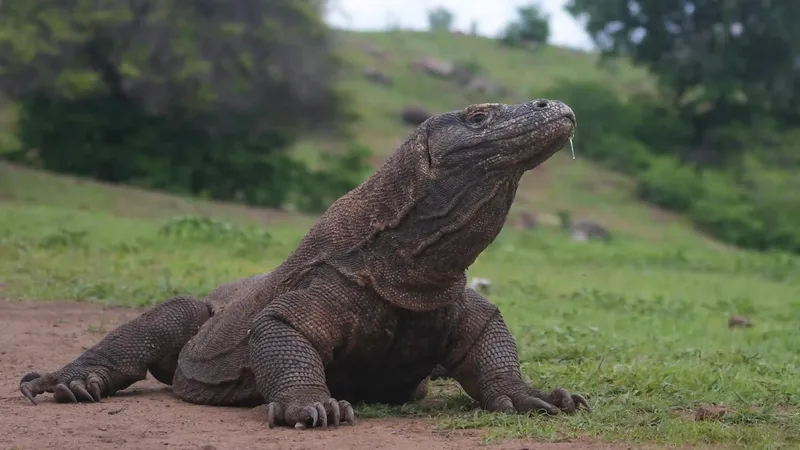
Komodo dragons are visited on Rinca Island (Loh Buaya) or Komodo Island (Loh Liang), both ranger-guided for safety. You walk marked trails with an experienced ranger who spots dragons and explains their behaviour. Sightings are common but wild, so never guaranteed. Most cruises include one dragon island in the route.
55. What is Kalong Island and the bat sunset?
Kalong is a mangrove island where thousands of large flying foxes (fruit bats) stream into the dusk sky to feed, a mesmerising natural spectacle. Liveaboards anchor nearby at sunset so guests watch from the deck, often with drinks in hand. It is a memorable, relaxed way to end a sailing day.
56. Does the route change with weather and tides?
Yes. Captains adjust the daily order of stops around tide tables, currents and wind to keep sailings comfortable and put you at each site in the best conditions. The highlights stay the same; their timing and sequence flex. This local knowledge is a key advantage of an experienced operator over rigid schedules.
57. Can we visit southern Komodo?
Southern Komodo, home to Manta Alley and cooler, dramatic dive sites, needs longer cruises of roughly 5 days or more because sailing distances and sea conditions are greater. It rewards divers and adventurers with fewer crowds, though weather can limit access seasonally. Our team advises whether the south fits your dates.
58. Do cruises run one-way, Komodo to Bali?
Yes, some long-range charters sail one direction, either Bali to Komodo or Komodo to Bali, crossing open sea past islands like Sumbawa. These suit travellers wanting the full ocean-passage experience one way and a flight the other. Most guests still prefer round-trip liveaboards from Labuan Bajo, and our team arranges either.
59. How much time is spent sailing versus exploring?
Longer sailing legs often happen overnight or at dawn while you rest, so daytime focuses on hikes, dives, snorkelling and beaches, with shorter hops between nearby islands taking under an hour. The balance depends on route and duration; southern or Bali-crossing trips involve more sailing. Your itinerary shows the rhythm clearly.
60. Can we customise which stops we visit?
Yes, especially on private charters. You can prioritise diving, photography spots, quieter islands or extra beach time, and your captain builds the route accordingly within tide and weather limits. Shared cruises follow a set itinerary with minor flexibility. Tell our team your must-see sites and we shape the plan around them.
Best Time to Go & Weather
Season shapes the sea more than the sights. Our Bali to Komodo cruise page includes a month-by-month picture of conditions across the park.
61. When is the best time to cruise Komodo?
The dry season from April to September offers the calmest seas, sunniest skies and best visibility, making it ideal for liveaboards, with July and August the peak and busiest months. Manta rays appear year-round. The December to February west monsoon brings rougher seas and rain, when some boats pause.
62. Can I visit Komodo year-round?
Largely yes, though experience varies by season. Most boats sail April through November in settled conditions. During the December–February wet season, seas can be rough and some liveaboards reduce operations, especially to the exposed south. Marine life stays active year-round. Our team advises the best boats for your travel dates.
63. What is diving visibility like across the seasons?
Visibility is generally good year-round but often best in the dry months, roughly 15 to 30 metres at many sites. Plankton-rich currents that attract mantas can temporarily lower clarity, a worthwhile trade for the wildlife they bring, while the south varies with swell. Conditions shift daily, and guides pick clearer sites accordingly.
64. When is the best time to see manta rays?
Reef mantas are seen in Komodo year-round, so there is no wrong time. Plankton blooms, often around the rainy months, can concentrate large numbers at feeding stations, while the dry season offers clearer water. Guides time dives and snorkels to the tides at Manta Point for the best odds any season.
65. Is the sea rough between Bali and Komodo?
Inside Komodo National Park, sheltered channels keep most sailings comfortable in dry season. Open crossings, such as direct Bali–Benoa voyages or southern legs, can be rougher, especially in the December–February monsoon. Larger boats handle swell better. If you are prone to seasickness, tell our team so we suggest steadier vessels and routes.
66. What months are peak season for Komodo?
July, August and the year-end holidays are peak, with the highest demand for boats, dive sites and Padar at sunrise, so book several months ahead for these dates. May, June, September and October are excellent shoulder months with great weather and fewer crowds. Our team can suggest quieter windows with strong conditions.
67. Does it rain a lot during a Komodo cruise?
In the dry season, April to September, rain is infrequent and brief, and October and November usually stay settled. The wet season, roughly December to March, brings heavier showers, more clouds and choppier seas, though sunny spells still occur. Rain rarely cancels a whole cruise but can reshuffle stops. Pack a light waterproof layer whatever the month.
68. How hot is it, and how strong is the sun?
Expect warm tropical days around 28 to 33°C with intense equatorial sun on open decks and exposed hikes like Padar, though sea breezes ease the heat while sailing. Reef-safe sunscreen, a hat, sunglasses and hydration are essential. Early-morning treks avoid the fiercest heat, and nights at anchor stay pleasantly warm.
69. When are the seas calmest for a comfortable cruise?
Roughly April to September brings the calmest, most settled seas inside the park, ideal for smoother sailing, easier boarding and better activity access, and calm water also aids snorkellers and nervous sailors. October and November are good shoulder months; December to March is more variable. If comfort is a priority, our team steers you toward the settled-season window.
70. Does season affect what I will pay?
Season influences availability and demand, with peak months like July, August and holidays in highest demand. Shoulder months can offer better value and fewer crowds with excellent conditions. Because private charter rates depend on boat, duration and dates, our team provides a tailored quote rather than fixed public pricing. Ask about quieter windows.
Pricing & Booking
Every quote is tailored to your boat, dates and group. See how cruise packages and pricing are structured, then request your own quote.
71. How much does a Bali to Komodo liveaboard cost?
Prices vary widely by boat class, cabin type, cruise length, season and whether you share or charter privately. Rather than list figures that quickly date, our team prepares a tailored quote once we know your dates, group size and interests. Share those details and we will send current pricing and options.
72. What is included in the cruise price?
Typically cabins, meals, guided island visits, snorkelling gear, crew and park sailing are included, while diving, Nitrox, park entrance fees, alcohol and flights may be extra. Inclusions differ per boat and package. Our team lists exactly what each quote covers so you can compare clearly. Always confirm before booking.
73. Are park entrance and conservation fees extra?
Komodo National Park charges entrance and activity fees, and these are often quoted separately from the cruise fare, payable per person. Amounts are set by authorities and can change. We confirm the current fees and whether they are bundled or added when we prepare your quote, so there are no surprises.
74. How do I book a Komodo cruise with you?
Contact our team with your preferred dates, duration, group size and whether you want shared cabins or a private charter. We check availability, recommend boats and send a quote. Once you confirm, a deposit secures your cabin or vessel, and we then coordinate flight timing, transfers and boarding details with you.
75. What deposit is required to secure a booking?
A deposit reserves your cabin or private charter, with the balance due before departure. The exact deposit percentage and payment schedule depend on the boat and how close to departure you book, especially in peak season. Our team confirms the terms in writing with your quote so everything is clear upfront.
76. Can I get a private charter quote when prices aren't shown online?
Yes. Private phinisi and yacht charters are quoted individually because cost depends on the vessel, cruise length, season and group size, and we avoid fixed public figures that mislead. Tell our team what you have in mind and we return a precise, current quote, usually quickly, with clear inclusions.
77. Is travel insurance required to book?
Comprehensive travel insurance is strongly recommended for every guest, and dedicated dive insurance such as DAN is advised for divers. Insurance covers trip disruption, medical needs and evacuation, valuable given Komodo's remoteness. Some activities may require proof of cover. Arrange a policy suited to boating and diving before you travel.
78. What is your cancellation and refund policy?
Cancellation terms depend on the boat and how far ahead you cancel, with deposits often non-refundable closer to departure, and peak-season or private charters may have stricter terms. We set out the exact policy in writing with your booking so you understand deadlines. Travel insurance helps protect against unforeseen changes.
79. Are flights included in the cruise package?
Flights between Bali and Labuan Bajo are usually booked separately, as fares and schedules change constantly and depend on your origin. We advise ideal flight timing for boarding and can guide your choices, while you or your agent secure tickets. Airport-to-harbour transfers are often included; confirm per package with our team.
80. Can you help with hotels and extra nights around the cruise?
Yes. We can suggest and help arrange accommodation in Labuan Bajo or Bali for nights before and after your cruise, which we recommend as a buffer against flight delays. Add-ons like extra transfers or day tours are also possible. Tell our team your full trip plan and we coordinate the pieces.
Family, Honeymoon & Private Charters
Whole-boat privacy is our speciality. Explore family and group charters, honeymoon cruises and full luxury yacht charter options.
81. Is a Komodo cruise good for a honeymoon?
Beautifully so. A private phinisi offers secluded anchorages, candlelit dinners on deck, sunrise at Padar, pink beaches and swimming with mantas, with an attentive crew handling everything. Couples enjoy total privacy away from crowds. We can arrange romantic touches and a tailored, unhurried itinerary. Tell our team you are celebrating.
82. Can you arrange a private charter for a family?
Yes. Private family charters are one of our most popular options, giving you the whole boat, a flexible pace and crew who cater to children and grandparents alike. You control activity timing, meals and quiet time, and larger, stable phinisi suit families best. Share ages and interests so we match the right vessel.
83. Are Komodo cruises suitable for young children?
Many are, particularly private charters on larger, stable phinisi with shaded decks, en-suite cabins and life jackets. Gentle snorkel sites, beaches and short island walks keep kids engaged, while crew help supervise. Consider your children's swimming and comfort at sea. Our team recommends family-friendly boats and calmer-season dates for peace of mind.
84. Can you accommodate large groups or celebrations?
Yes. For milestone birthdays, anniversaries, reunions or corporate retreats, we arrange larger vessels or multiple boats sailing together, with tailored dining and activities, and private charter keeps your group exclusive. We coordinate flight timing, transfers and special requests. Give our team your numbers and occasion, and we design a fitting cruise.
85. Do private charters come with a full crew?
Always. Even an intimate private charter includes a professional crew, typically a captain, chef, dive or snorkel guides and deckhands, so guests simply relax. The crew handles navigation, cooking, cleaning, activity safety and local knowledge. You enjoy the boat as your own with everything taken care of, and staffing scales with vessel size.
86. Can we have a flexible schedule on a private cruise?
Yes. Privacy's biggest perk is flexibility: you choose wake-up times, which sites to prioritise, how long to linger at a beach and when to dive or relax, within tide and weather limits, and your captain adapts daily. Shared cruises follow set timings. Tell our team your ideal rhythm and we brief the crew.
87. Are romantic or special-occasion set-ups possible on board?
Often, yes. On private charters we can arrange touches like deck dinners, decorations, cakes or sunset drinks for honeymoons, anniversaries and birthdays, subject to the boat and provisioning. Share the occasion and any wishes well ahead so the crew can prepare. These personal details make a Komodo celebration unforgettable.
88. Is a Komodo liveaboard suitable for solo travellers?
Yes. Solo guests can book a cabin on a shared liveaboard to meet like-minded travellers and divers, often the most economical route, while private charters suit solo travellers wanting exclusivity. Cabin-sharing or single-occupancy terms vary by boat. Our team explains the options and helps match you to a friendly, well-run vessel.
89. Can grandparents or older travellers join comfortably?
Generally yes. Comfortable cabins, calm-season sailing and optional, self-paced activities make cruises enjoyable for older guests. Some island hikes are steep, but many stops are gentle or skippable, and beach and deck time is relaxing. Boarding tenders needs basic mobility. Tell our team about any needs so we plan accordingly.
90. Can different interests in one group be catered for?
Yes, easily on a private charter. Divers descend while others snorkel, hike or relax on deck at the same sites, reuniting for meals, and crew run parallel activities so nobody compromises. This flexibility is why families and mixed-interest groups love private cruises. Tell our team everyone's priorities and we balance the itinerary.
Safety & Practical Matters
Safety underpins everything we run. For anything not covered below, our specialists answer directly — send us your question or browse more advice on the blog.
91. Are Komodo liveaboard cruises safe?
Reputable liveaboards prioritise safety with experienced captains, life jackets, safety briefings, first-aid provision and routes planned around weather and tides, and our boats are inspected for standards and crew competence. As with any sea travel, following crew instructions matters. Comprehensive travel and dive insurance is strongly recommended given the region's remoteness.
92. What happens in a medical emergency at sea?
Crews carry first-aid supplies and are trained to respond, and captains can divert toward Labuan Bajo, which has clinics, or coordinate evacuation for serious cases. Because Komodo is remote, response takes time, so travel and dive insurance with evacuation cover is essential. Declare medical conditions and medication needs before you sail.
93. Is there a doctor or decompression chamber nearby?
Liveaboards do not carry doctors, though crew handle first aid. The nearest hyperbaric chamber and hospital are in or beyond Labuan Bajo, and remote sites mean delays. Divers must dive conservatively, stay well within no-decompression limits, and carry DAN or equivalent insurance. Guides plan dives to minimise risk; never dive beyond your training.
94. What safety equipment is on board?
Boats carry life jackets, life rafts or floatation as required, fire extinguishers, first-aid kits, radios and navigation equipment, with dive boats adding oxygen, SMBs and often reef hooks. Crew brief safety procedures at the start. Standards vary by vessel, and we select boats that meet them. Ask our team about a specific boat's equipment.
95. Do I need vaccinations or malaria precautions?
Consult a travel-health professional before visiting Indonesia, as recommendations depend on your history and itinerary. Some travellers consider routine vaccines and mosquito precautions, and the Flores region has malaria risk in places, so bring repellent and personal medication. We are not medical advisers, so seek qualified guidance well before departure.
96. Is it safe to walk near Komodo dragons?
Yes, when you follow the rules. Komodo dragons are wild and potentially dangerous, so visits happen only with trained rangers on marked trails on Rinca or Komodo Island. Stay in the group, keep your distance and obey ranger instructions at all times. Never approach or feed them, and guides brief you before landing.
97. What about seasickness on the crossing?
Sheltered park sailings are usually gentle, but open legs can move, especially in monsoon months or on the Bali crossing. If you are prone to seasickness, choose a larger, steadier boat, favour calm-season dates, and bring remedies like tablets or bands. Rest and fresh air help. Tell our team so we advise suitable vessels.
98. Is tap water safe, and how are drinks handled?
Do not drink tap or tank water aboard; boats provide bottled or purified drinking water, and meals use safe water for cooking. Refillable stations reduce plastic on many vessels, so bring a reusable bottle. Alcohol availability and cost vary by boat and may be extra. Confirm drink inclusions with our team when booking.
99. What power outlets and charging are available on board?
Most boats offer charging points, commonly Indonesian-style 220-volt sockets, in cabins or communal areas, though supply can be limited at remote anchorages when generators cycle. Bring a universal adapter and a power bank for cameras and phones, and do not rely on constant power. Confirm outlet types and availability with our team beforehand.
100. How do I stay contactable during the cruise?
Expect to be largely offline inside the park, as mobile signal is patchy and Wi-Fi limited or absent at remote sites. Inform family before sailing and share your itinerary. For emergencies, the boat has radio and the crew can relay messages near Labuan Bajo. Embrace the disconnection as part of the experience.
Still Have a Question?
No two cruises are alike, and neither are two groups of guests. If your question is not covered above, message our specialists directly — we reply with straight answers, matched boats and a clear plan. You can also email [email protected].
Plan Your Komodo Cruise
Share your dates, group size and interests — our specialists reply with matched boats, a day-by-day plan and a transparent quote.
WhatsApp: +62 811-3941-4563