Updated October 22, 2026
For a 2027 Labuan Bajo liveaboard, anticipate continued focus on environmental protection and visitor safety. Ensure your passport has six months’ validity, secure the necessary entry permits, and adhere to Komodo National Park’s strict conservation guidelines, particularly regarding waste disposal and wildlife interaction. Booking well in advance remains crucial, especially for high season travel.
Understanding Komodo National Park’s 2027 Regulatory Landscape
Komodo National Park remains one of Indonesia’s most protected natural wonders. As we approach 2027, visitors planning a luxury liveaboard expedition from Labuan Bajo should be aware of the ongoing regulations designed to preserve this unique ecosystem. These rules, continually refined by the Indonesian government and park authorities, focus on sustainable tourism, environmental protection, and visitor safety. Staying informed ensures a smooth and enjoyable journey through this extraordinary archipelago.
Entry Permits and Fees for 2027
All visitors to Komodo National Park are required to purchase entry permits. As of 2027, these permits typically comprise several components: a national park entry fee, a local government retribution fee, and often a conservation contribution. The exact pricing structure can be dynamic, subject to annual review by the Indonesian Ministry of Environment and Forestry. These fees contribute directly to park management, ranger salaries, anti-poaching efforts, and community development initiatives. Your liveaboard operator will usually facilitate the purchase of these permits, but it is always prudent to confirm what is included in your package and what, if anything, you need to pay upon arrival.
Passport and Visa Requirements
For international travellers embarking on a komodo liveaboard from labuan bajo in 2027, a valid passport is essential. Ensure your passport has at least six months’ validity remaining from your intended date of departure from Indonesia, and at least two blank pages for stamps. Visa requirements vary by nationality. Many countries are eligible for visa-free entry for tourism purposes, typically for stays up to 30 days. Others may require a Visa on Arrival (VoA) or need to obtain a visa in advance from an Indonesian embassy or consulate in their home country. Always verify the latest visa regulations for your nationality well before your travel date, as policies can change.
Environmental Protection and Conservation Guidelines
Komodo National Park is a UNESCO World Heritage site, and its conservation is paramount. Visitors are expected to adhere to strict environmental guidelines:
- No Littering: All waste must be carried off the islands and disposed of responsibly on your liveaboard. Plastic waste, in particular, is a significant concern.
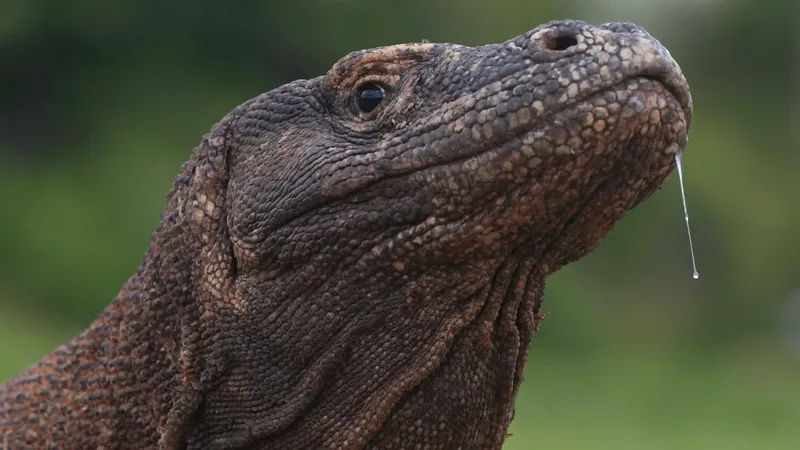
- Respect Wildlife: Maintain a respectful distance from Komodo dragons and other wildlife. Never feed animals or attempt to provoke them. Follow your guide’s instructions implicitly.
- Coral Reef Protection: When snorkelling or diving, avoid touching coral or marine life. Ensure buoyancy control to prevent accidental damage. Do not collect shells, sand, or any other natural souvenirs.
- Sustainable Diving Practices: Use reef-safe sunscreen. Do not use gloves unless specifically required for technical diving, as they can encourage touching.
Violations of these rules can result in significant fines or even expulsion from the park.
Safety Protocols and Tour Operator Licensing
Best Seasonal Timing for Your 2027 Expedition
Choosing the right time for your Labuan Bajo liveaboard dictates your experience significantly. The best seasonal timing for a Komodo liveaboard is May to September (high season) for stable weather and 20–30m visibility, with April and October (shoulder season) offering reasonable pricing and good conditions.
Seasonal Timing Guide & Conditions (2026–2027)
| Season | Conditions | Sightings | Cost | Booking |
|---|---|---|---|---|
| High Season (May – September) | Stable weather, 20m–30m visibility, calm surface conditions. | Frequent Manta Rays (especially Central Route), good for photography. | Peak Rates; prices increase due to high demand. | Must book 6–9 months in advance. |
| Shoulder Season (April, October) | Sea conditions remain good, visibility often 20m+. | Good for photography prioritising water clarity. | Value/Off-Peak Rates; 15–25% discounts possible. | 3–4 months in advance. |
| Low Season (January – March) | Wet season, 10–20m visibility, warmer water (28–30°C). | Peak Manta Ray encounters in Southern region (Jan–Feb). | Low Prices; some trips may be limited due to weather. | Limited trips, strong, unpredictable currents. |
2027 Note: While July–August is part of the high season, it can also be the peak wind season. This might mean some manta rays dive deeper (20°C–24°C), though the resident population remains active. Divers should be prepared for cooler thermoclines during these months.
Pricing Expectations for 2027 Liveaboards
Liveaboard prices for 2027 will continue to reflect the level of luxury, service, and itinerary duration. Below is a general guide to expected pricing per night for a 4-day, 3-night trip, acknowledging that ultra-luxury options often involve longer durations:
| Tier | Price Per Night | Total Trip (4D3N) | Best Timing | Key Features |
|---|---|---|---|---|
| Budget | USD 150 – 250 | USD 600 – 1,000 | Apr–Jun, Sep–Nov | Shared cabins, basic bathrooms, functional diving. |
| Mid-Range | USD 220 – 550 | USD 1,000 – 1,600 | May – Sep | Private cabins, good visibility, frequent Manta sightings. |
| Luxury | USD 400 – 600+ | USD 1,500 – 3,500+ | May – Sep | Private suites, gourmet dining, low diver-to-guide ratio. |
| Ultra-Luxury | USD 900+ | USD 7,300+ (11N) | Dec (Manta Peak) | Suites like on Dive Damai I, exclusive itineraries. |
Booking during high season (May–September) will generally incur peak rates, while shoulder seasons (April, October) may offer 15–25% discounts. Ultra-luxury experiences, such as those aboard Dive Damai I, typically involve longer itineraries, contributing to higher total costs.
FAQ
What are the primary entry requirements for Komodo National Park in 2027?
In 2027, primary entry requirements include a passport with at least six months’ validity, a valid Indonesian visa (if required for your nationality), and the necessary park entry and conservation fees. Your liveaboard operator will typically assist with the permit process.
When is the best time to visit Komodo National Park for diving in 2027?
The best time for diving in 2027 is during the high season, from May to September, offering stable weather, calm seas, and 20–30m visibility. April and October, the shoulder seasons, also provide good conditions and potentially better pricing.
Are there any specific environmental regulations I should be aware of during my 2027 Komodo liveaboard?
Yes, strict environmental regulations apply. These include a ban on littering, a mandate to maintain distance from wildlife, an absolute prohibition on touching coral or marine life, and the use of reef-safe sunscreens. Adherence to these rules is crucial for preserving the park’s biodiversity.