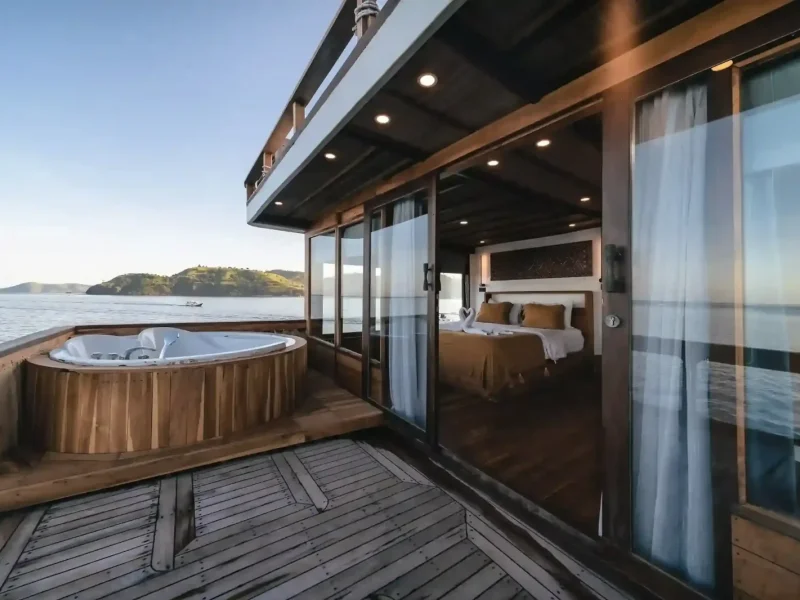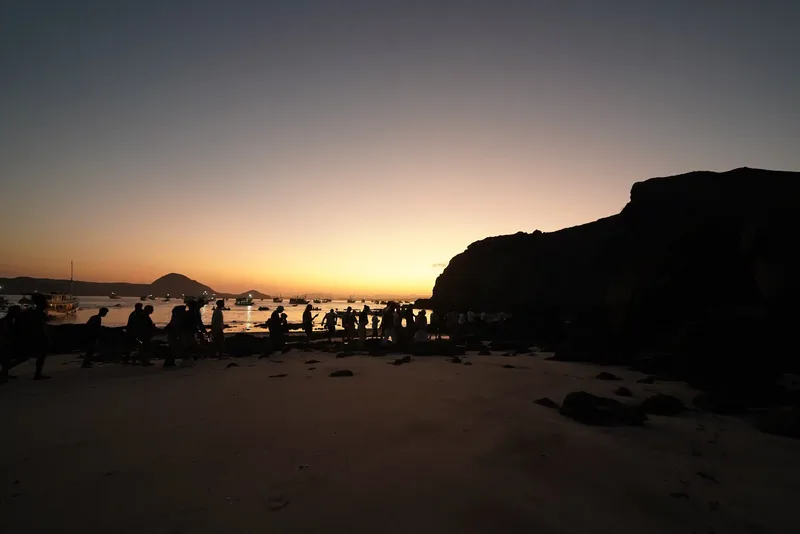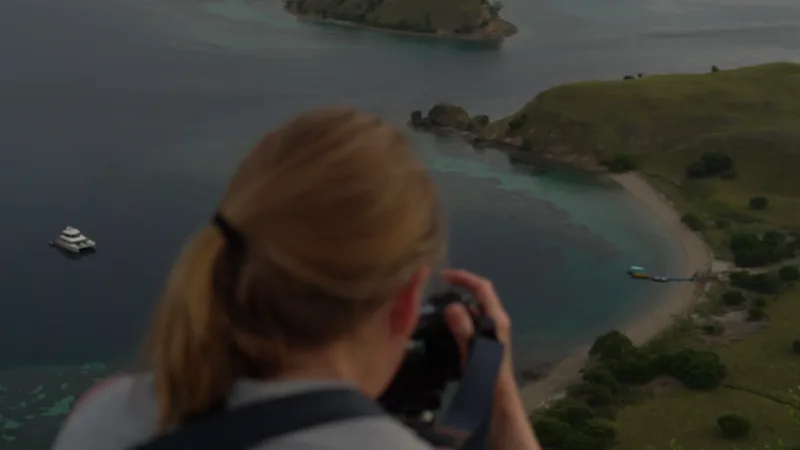
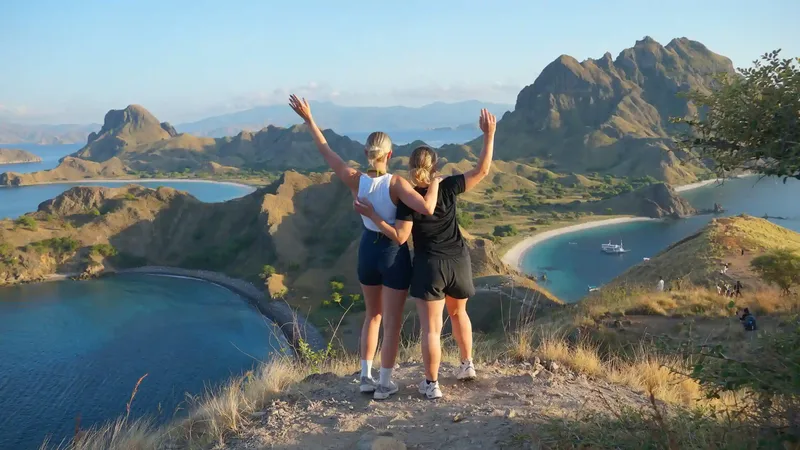
Sustainable tourism in Komodo is vital for preserving its unique ecosystems and supporting local communities. Cruises play a crucial role by minimizing environmental impact and promoting eco-friendly travel practices, ensuring that Komodo’s natural beauty is protected for future generations.
Sustainable Tourism Komodo: A Crucial Initiative
Komodo National Park, covering an area of approximately 1,733 square kilometres, is renowned for its stunning landscapes and unique biodiversity, attracting tourists from around the globe. However, with an increase in annual visitors, which numbered around 176,000 in recent years, the park faces significant challenges in maintaining its ecological integrity. Sustainable tourism, therefore, is essential to safeguard its delicate ecosystems and cultural heritage.
Cruises have emerged as significant contributors to sustainable tourism in Komodo. By adhering to eco-friendly travel practices, they help minimize the environmental footprint and contribute to wildlife conservation efforts. These cruises prioritize reducing waste, utilizing renewable energy sources, and supporting local economies. Many cruise operators are investing in solar panels and hybrid engines to cut down emissions. Additionally, they are implementing strict waste management protocols that focus on recycling and reducing single-use plastics, thus ensuring that their operations do not harm the pristine environment of Komodo.
Eco-Friendly Travel: Reducing Environmental Impact
Eco-friendly travel is at the heart of sustainable tourism. Cruises to Komodo are adopting various strategies to ensure minimal impact on the environment:
- Using cleaner energy sources such as solar power and LNG (Liquefied Natural Gas) to power vessels, significantly reducing emissions and fuel consumption. This transition is expected to lower carbon emissions by up to 30% compared to traditional fuel sources.
- Implementing advanced waste management systems that focus on recycling and reducing single-use plastics. For instance, some cruises have achieved a 50% reduction in plastic waste by substituting reusable materials.
- Providing guests with comprehensive guidelines on responsible wildlife interactions, ensuring the protection of local flora and fauna. These guidelines include maintaining a safe distance from wildlife and not feeding animals, which helps preserve natural behaviours and habitats.
These practices not only preserve the natural beauty of Komodo but also set a standard for other tourism operators in the region. By choosing a cruise that emphasizes eco-friendly travel, visitors can enjoy the wonders of Komodo while knowing they are contributing to its preservation.
Wildlife Conservation: Protecting Komodo’s Unique Biodiversity
Komodo National Park is home to the iconic Komodo dragon and numerous other species, many of which are endemic and vulnerable. The park hosts over 5,700 Komodo dragons, alongside species such as the Timor deer and various bird species. Cruises play a pivotal role in wildlife conservation by:
- Educating guests about local wildlife and the importance of conservation efforts. This is often achieved through on-board lectures and guided tours led by marine biologists and conservation experts.
- Supporting research and monitoring programs that track wildlife health and population dynamics. Cruises often collaborate with organisations such as the Komodo Survival Program to fund and assist in field research.
- Collaborating with local communities and conservation organizations to protect habitats and species. This includes initiatives like habitat restoration projects and anti-poaching patrols.
These initiatives are crucial for maintaining the ecological balance in Komodo and ensuring that future generations can experience its unique biodiversity. Explore our liveaboard options to learn more about how you can participate in these conservation efforts.
The Role of Local Communities
Sustainable tourism in Komodo is not only about protecting the environment but also about supporting local communities. Cruises facilitate this by:
- Employing local staff and sourcing local products, which directly boosts the regional economy. For example, a significant percentage of the crew on these cruises are from nearby islands, providing employment opportunities and skill development.
- Investing in community projects that improve infrastructure and social services. Some cruise operators have funded the construction of schools and healthcare facilities in local villages.
- Encouraging cultural exchange between visitors and residents, fostering mutual understanding and respect. This includes cultural performances and workshops on traditional crafts and cooking.
By engaging with and empowering local communities, cruises ensure that tourism benefits are shared equitably, contributing to long-term sustainability.
2027 Note: Continuing the Journey Towards Sustainability
As of 2027, the commitment to sustainable tourism in Komodo remains strong. The cruise industry continues to innovate and adopt new technologies to reduce its environmental footprint. These efforts are crucial as the global demand for eco-friendly travel grows. Increasingly, cruises are incorporating AI technology to optimize routes and reduce fuel consumption, further minimizing their impact on the environment.
By choosing sustainable options, travellers can make a positive impact on both the environment and local communities. For more insights into how you can experience Komodo responsibly, visit our luxury cruise offerings.
FAQ
How do cruises contribute to sustainable tourism in Komodo?
Cruises contribute by implementing eco-friendly practices, supporting wildlife conservation, and engaging with local communities to promote sustainable tourism in Komodo.
What measures are taken by cruises to ensure eco-friendly travel?
Measures include using cleaner energy, waste management, and educating guests on responsible interactions with wildlife.
Why is wildlife conservation important in Komodo?
Wildlife conservation is crucial to protect Komodo’s unique species and maintain ecological balance, ensuring the park’s biodiversity is preserved for future generations.