Updated July 4, 2026
Eco-Conscious Luxury: How to Choose a Sustainable Bali to Komodo Cruise Operator
A sustainable Bali to Komodo luxury cruise is no longer a niche idea. Guests are increasingly asking how they can enjoy Komodo’s reefs, dragons, and islands without adding pressure to a fragile ecosystem and local communities.
As an operator working regularly between Benoa Harbour (Tanjung Benoa) in South Bali and Komodo National Park, I see two realities at once: Komodo is extraordinary, and it is also vulnerable. The good news is that a carefully chosen luxury cruise can be a force for protection, not degradation.
This guide is a practical checklist to help you choose a sustainable Bali to Komodo luxury cruise operator that aligns with your values, while still delivering the comfort, privacy, and service you expect.
For route specifics, ports, and a typical day‑to‑day plan, see our detailed guide: Bali to Komodo Cruise (Itinerary, Ports & Stops).
1. Start with the Basics: Departure Port, Season, and Vessel Type
Sustainability starts with logistics. The way your cruise is structured already affects its footprint.
Benoa Harbour: The Standard Luxury Departure Point
For 2025–2026, most high‑end Bali–Komodo itineraries begin at Port of Benoa / Tanjung Benoa in South Bali. It sits near Nusa Dua, Sanur, Kuta, and Denpasar, and is Bali’s principal cruise gateway.
- Airport access: From Ngurah Rai International Airport (DPS), it’s roughly 12–15 km by road and usually 30–45 minutes by private car in normal traffic.
- Standard procedure: Guests are typically met at their hotel or at the airport and transferred by private vehicle to the Benoa cruise terminal or nearby yacht marina.
Why it matters for sustainability: consolidating departures through Benoa simplifies provisioning, reduces unnecessary repositioning trips, and makes it easier for operators to coordinate shared transfers.
Dry Season Timing: April–September
Most luxury operators time a sustainable Bali to Komodo luxury cruise for the April–September dry season. Seas tend to be calmer, visibility is higher for snorkeling and diving, and weather is more predictable.
From an impact perspective, calmer seas mean less fuel burned fighting currents and swell, fewer weather‑related detours, and safer conditions for both guests and crew.
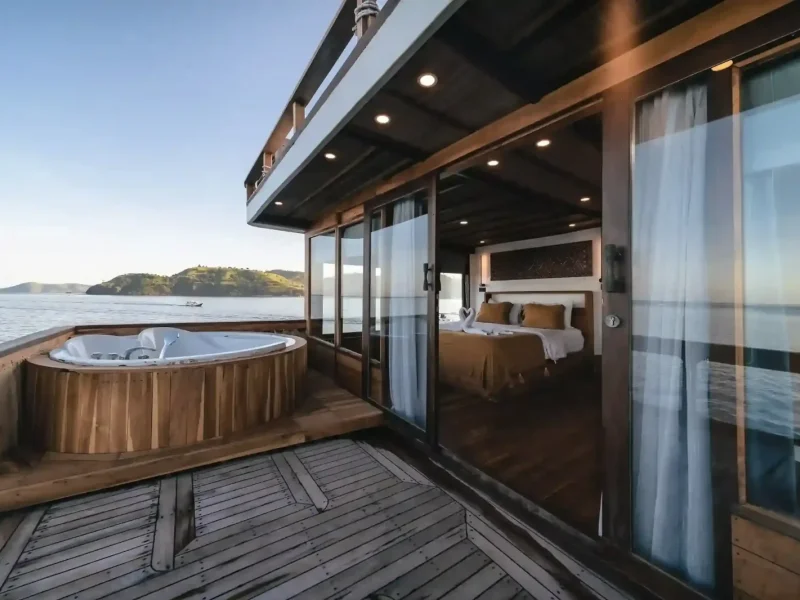
Phinisi, Expedition Yacht, or Motor Yacht?
On this route, you’ll generally see three categories:
- Traditional phinisi (often with modern engines and navigation) – built from wood, drawing on Indonesian maritime heritage.
- Small expedition yachts – often steel or aluminum hulls, designed for longer‑range exploration at moderate speeds.
- Luxury motor yachts – faster, with higher power demand and, typically, higher fuel consumption.
For sustainability, ask about:
- Passenger numbers: Smaller groups (often 8–20 guests) allow lower impact landings and more controlled wildlife encounters.
- Cruising speed: Operators who plan itineraries at modest cruising speeds reduce fuel burn significantly.
- Age and refit: Newer or recently refitted vessels may feature more efficient engines, better insulation, and improved waste systems.
You can see how we structure our own departures and vessel styles here: Luxury Cruise from Bali to Komodo | Bali Komodo Luxury Cruise.
2. Evidence of Real Environmental Standards (Not Just Buzzwords)
Marketing terms like “eco” and “green” are easy to print. Ask for specifics that show your sustainable Bali to Komodo luxury cruise is grounded in real practice.
Fuel, Engines, and Routing
- Fuel type and consumption: Ask what kind of fuel is used and how the operator optimises routes to reduce burn. There is no zero‑impact option here; the key is transparency and a plan to minimise usage.
- Speed limits: A commitment to moderate cruising speeds between Bali, Sumbawa, and Flores is one of the simplest, most effective carbon reduction measures.
- Efficient routing: Look for itineraries that move steadily eastward from Benoa to Labuan Bajo rather than criss‑crossing large distances just to add extra “tick‑box” stops.
Waste Management and Plastics
Concrete questions to ask an operator:
- Grey and black water: Are there holding tanks, and where is wastewater discharged? In sensitive zones like Komodo, discharging untreated waste is unacceptable.
- Single‑use plastics: Are plastic water bottles eliminated in favor of refillable bottles and filtered water stations?
- Onboard amenities: Are bathroom amenities in refillable dispensers? What happens to used oil, batteries, and other hazardous waste?
Look for operators with written policies aligned with best practices promoted by organisations like PADI AWARE or Green Fins, and ask them to share those policies with you.
3. Compliance with Komodo National Park Regulations
Komodo National Park is a UNESCO World Heritage site and a marine protected area. A sustainable Bali to Komodo luxury cruise should treat park regulations as a minimum, not a burden.
Park Fees and Permits
- Transparent fees: Your operator should explain park fees, diving/snorkeling surcharges, and ranger fees clearly in advance.
- Registered vessel: Ask whether the yacht is formally registered with Komodo National Park authorities and up to date on permits.
Wildlife Viewing Rules
Dragons, manta rays, turtles, and reef sharks are major drawcards and also extremely sensitive to stress and crowding.
- Guided dragon walks only with rangers: Any land visit to Komodo or Rinca should be accompanied by official park rangers, with distance and group size limits respected.
- No feeding or baiting: Dragons and marine life should never be lured with food or chum for a “better” photo.
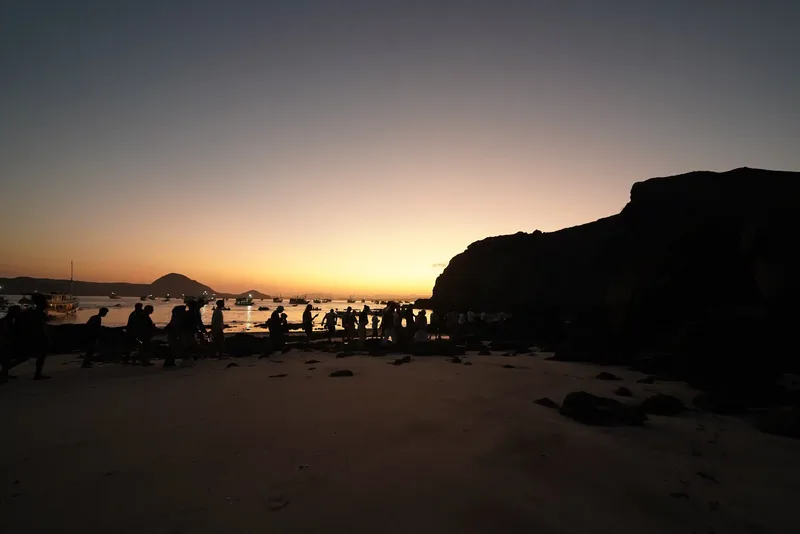
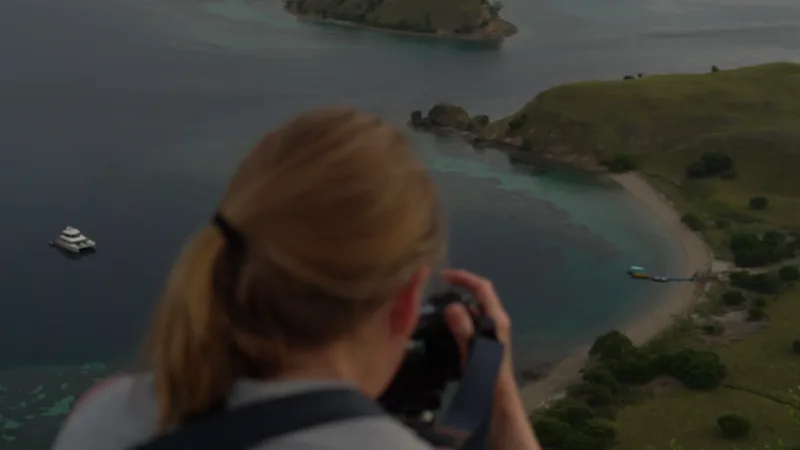
- Time and number limits: Operators should avoid peak hours at famous spots like Padar viewpoint and Pink Beach, staggering landings to reduce crowding.
Dive and Snorkel Briefings
Komodo’s currents and fragile coral make proper briefings essential:
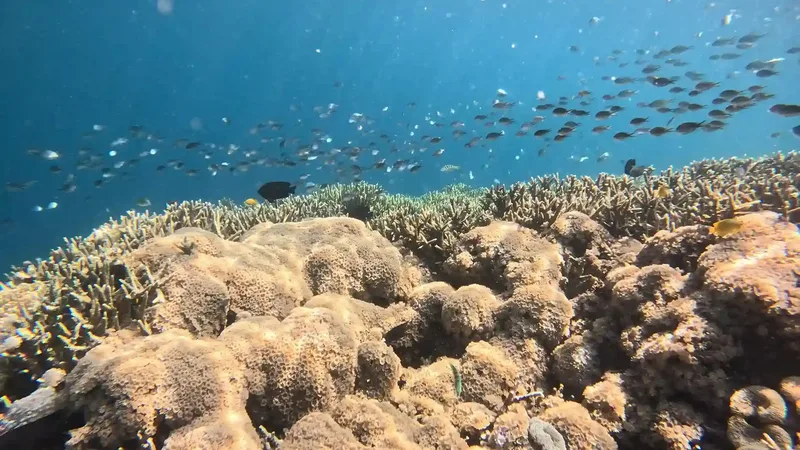
- No touch, no take: Strict rules against touching corals, collecting shells, or disturbing the seabed.
- Buoyancy control: Divers should be screened for experience; those who need it should be offered support or easier sites first to avoid reef damage.
- Surface intervals and site rotation: Rotating sites helps reduce repeated pressure on a single reef.
4. Low-Impact Life On Board: Small Choices, Big Difference
Sustainability on a sustainable Bali to Komodo luxury cruise also shows up in the everyday details on the yacht.
Energy and Water Use
- LED lighting and smart power: Operators can reduce generator time with efficient lighting and good battery management.
- Water makers and conservation: A desalination system, plus gentle encouragement for guests to be mindful of long showers and daily towel changes, cuts down on unnecessary fuel use for water production.
- Air‑conditioning practices: Good insulation and sensible temperature settings can dramatically reduce power demand without sacrificing comfort.
Food Sourcing and Kitchen Practices
Ask how the galley works:
- Local ingredients: Sourcing produce, fish, and spices in Bali, Lombok, Sumbawa, and Flores supports local supply chains and reduces long‑haul freight.
- Sustainable seafood: Do they avoid threatened species and gear associated with destructive fishing?
- Food waste: Smaller, more frequent portions and à la carte ordering reduce plate waste without reducing quality.
Onboard Products and Amenities
- Reef‑safe sunscreen: Either provided or strongly encouraged, to minimise chemical impact on coral.
- Biodegradable cleaning products: Especially important in enclosed spaces where grey water may eventually reach the sea.
- Thoughtful gifting: If there are welcome gifts, look for practical items (reusable bottles, sarongs from local cooperatives) rather than unnecessary packaged trinkets.
5. The Human Side: Crew Welfare and Community Impact
An authentic sustainable Bali to Komodo luxury cruise respects people as much as it respects reefs and wildlife.
Local Crew and Fair Work
- Indonesian crew representation: Komodo lies in Indonesia; your yacht should reflect that in its crew and guide team.
- Training and development: Ask if crew receive ongoing training in navigation, hospitality, safety, and languages.
- Work conditions: You won’t see contracts, but you can ask broad questions about rotation schedules, insurance, and medical coverage.
Respectful Cultural Experiences
Many itineraries include visits to villages in Flores or nearby islands.
- Community consent: Shore visits should be coordinated with local leaders, not improvised drop‑ins.
- Fair compensation: Performances, handicrafts, or guided walks should generate income for residents, not just photos for guests.
- No “zoo” dynamic: Visits should be structured as exchanges, not as drive‑by tourism.
Conservation Partnerships
Ask your operator:
- Do you contribute a portion of revenue or a per‑guest donation to local conservation or education programs?
- Do you collaborate with Indonesian NGOs or park authorities on monitoring or clean‑up efforts?
Real partnerships will usually be named specifically, with examples of projects or ongoing support.
6. Questions to Ask Before You Book
To bring all of this together, here is a concise checklist you can use with any operator offering a sustainable Bali to Komodo luxury cruise:
- Vessel and logistics
- What type of vessel is used (phinisi, expedition yacht, motor yacht), and how many guests are on board?
- Where is embarkation in Bali, and how are transfers to Benoa Harbour arranged?
- What is your typical cruising speed and daily distance covered?
- Environmental management
- How do you handle fuel efficiency, grey/black water, and solid waste?
- Do you have a written environmental policy you can share?
- What single‑use plastics have you eliminated on board?
- Komodo National Park practices
- How do you ensure compliance with park regulations and ranger requirements?
- How are dive and snorkel sites chosen and rotated?
- What is your approach to wildlife encounters (dragons, mantas, turtles)?
- Crew, community, and conservation
- What proportion of your crew is Indonesian, and what training do they receive?
- How do village visits or cultural experiences benefit local communities?
- Do you support any specific conservation projects in the region?
- Guest participation
- How can guests help reduce their own impact on board?
- Do you provide guidance on reef‑safe sunscreen, appropriate clothing for villages, and responsible photography?
7. What We Prioritise on a Bali to Komodo Luxury Cruise
As we design and operate our own Bali–Komodo programs, several priorities guide us:
- Careful scheduling: Aligning with the April–September dry season and standardising departures from Benoa Harbour to keep logistics tight and efficient.
- Small group formats: Using phinisi and small yachts to limit group size and reduce strain on landing sites and reefs.
- Park‑first planning: Working around Komodo’s regulations, ranger availability, and sensitive zones rather than forcing the park to fit our timetable.
- Continuous improvement: Upgrading systems, refining itineraries, and adjusting practices as we learn more about what genuinely reduces impact.
If you’d like a concrete example of how this looks day by day—sailing times, anchorages, and activities—start with our overview: Bali to Komodo Cruise (Itinerary, Ports & Stops).
Choosing a sustainable Bali to Komodo luxury cruise is about asking the right questions and rewarding operators that do more than the minimum. The payoff is significant: healthier reefs, respected communities, and a richer, more meaningful experience for you on board.
If you’d like personalised advice on planning a lower‑impact private charter or per‑cabin sailing from Bali to Komodo, you can reach us directly on WhatsApp at +62 811-3941-4563 or mention code when you contact our team.